The Third Amendment is one of the more underrated parts of the Bill of Rights. It isn’t typically brought up in debates or speeches. If the First and Second Amendments are the headliners, the Third is more like the act nobody really notices. But just because it’s not making headlines doesn’t mean it’s not important. Let's diver deeper into what this amendment really entails.
What Does the Third Amendment Say?
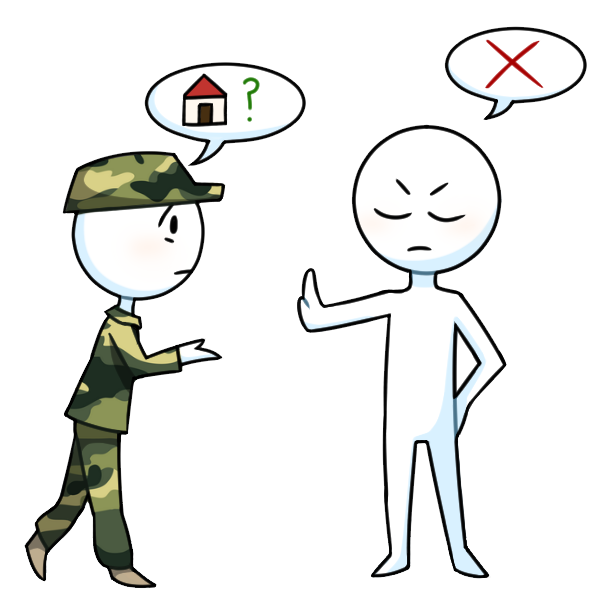
The Third Amendment states: “No Soldier shall, in time of peace be quartered in any house, without the consent of the Owner, nor in time of war, but in a manner to be prescribed by law.”
Translation: The government can’t force you to let soldiers crash on your couch—whether it’s peacetime or wartime. Sounds simple, right? But back in the 1700s, this was something that happened often, meaning that this amendment truly did serve a bigger purpose.
The Historical Context
To understand why the Founding Fathers needed to include this, we need to take a look back to Colonial America. Before the Revolutionary War, the British government had a habit of quartering soldiers in private homes. The Quartering Acts of 1765 and 1774 required colonists to house and feed British troops, whether they liked it or not. Unsurprisingly, this didn’t sit well with people who were already feeling oppressed by taxes and other laws.
Fast forward to the drafting of the Constitution, and the Founders wanted to make sure Americans would never have to deal with that kind of government overreach again. Enter the Third Amendment.
Why It Still Matters
While we may not be worried about soldiers showing up uninvited these day, the Third Amendment isn’t just about quartering troops. It’s about the broader principle of privacy and limiting government intrusion into our personal lives. While it hasn’t been involved in many Supreme Court cases, it’s part of the foundation for our understanding of individual rights and protections against government overreach.
Fun Fact: It’s Rarely Used
The Third Amendment is one of the least litigated parts of the Constitution. In fact, there’s only been one major court case involving it: Engblom v. Carey (1982). In this case, New York correctional officers argued that their Third Amendment rights were violated when National Guard members were housed in their residences during a strike. The court didn’t end up making a groundbreaking ruling, but it’s still a reminder that the Third Amendment isn’t entirely obsolete.
Why You Should Care
While the Third Amendment might seem outdated, its principles are still relevant. It’s a reminder that the government doesn’t have unlimited power and that our homes are our sanctuaries. In a world where privacy concerns are growing, the spirit of the Third Amendment feels more important than ever.
Wrapping It Up
So, there you have it—the Third Amendment might not be flashy, but it’s a quiet hero in the Bill of Rights. It stands for the idea that your home is your space, and not even the government can barge in uninvited. If you’re enjoying this journey through the Constitution, stay tuned for the next article where we’ll dive into an amendment that’s all about searches, seizures, and warrants.
Comments
Post a Comment